
SUPPORT
Frequently asked questions
Find practical answers about ride guides, preparing for your ride, riding safely and ebike bookings.
About our ride guides
Learn how we rate difficulty, estimate ride time and classify ride types in our destination guides.
How do we rate ride DIFFICULTY?
DIFFICULTY
Explore More By Bike difficulty ratings are designed specifically for an adult of average fitness riding an ebike.
Ratings consider distance, terrain, gradients, riding surfaces, traffic exposure, navigation and bike handling requirements. Electric assistance is taken into account when assessing physical effort.
The distance ranges below are a guide only and intentionally overlap. Distance is just one part of the difficulty rating. For example, a 30 km ride on a relatively flat, sealed path may be rated Easy to Moderate, while a 30 km ride with steep climbs, rough surfaces or more demanding riding conditions may be rated Moderate.
Individual fitness, riding experience, weather conditions and the level of electric assistance used can also affect how difficult a ride feels.
What do we mean by average fitness?
For these ratings, average fitness means being generally active and able to comfortably undertake everyday activities such as walking for 30–60 minutes.
You do not need to be a regular cyclist or have a high level of cardiovascular fitness. The ratings assume you are comfortable riding and controlling an ebike.
Easy
Typical distance: Up to 20 km
Suitable for adults of average fitness who are comfortable riding an ebike. These rides are generally shorter, with flat or gently rolling terrain and mostly comfortable riding surfaces. Navigation is generally straightforward, with little technical riding skill or advanced bike handling required.
Easy to Moderate
Typical distance: 15–35 km
Suitable for adults of average fitness who are confident riding an ebike. These rides may cover greater distances, include rolling terrain, sustained gentle climbs or occasional steeper sections, and may include mixed riding surfaces. Some sections may require greater awareness, navigation or bike handling.
Moderate
Typical distance: 30–60 km
Suitable for adults of average fitness who are experienced and confident riding an ebike. These rides may cover substantial distances, include sustained or steeper climbs, and may include gravel, uneven or mixed riding surfaces. Riders may encounter more complex navigation, road riding or sections requiring greater concentration and bike handling.
Challenging
Typical distance: 50 km or more
Suitable for experienced and confident ebike riders of average fitness. These rides may cover substantial distances, include significant climbing or steep gradients, and may include rough, loose or technically demanding surfaces. Riders may encounter demanding road conditions, more complex navigation or sections requiring strong bike handling skills, preparation and an understanding of ebike battery range.
How do we estimate RIDE TIME?
RIDE TIME
Ride times shown in Explore More By Bike ride guides are estimated total ride times for an adult of average fitness riding an ebike.
Estimates consider distance, terrain, gradients, riding surfaces, road and path conditions, intersections and other features that may affect your riding pace. Electric assistance is also taken into account.
Ride times are not calculated by dividing the distance by the maximum assisted speed of an ebike. Your actual riding speed will vary throughout a ride, and some sections will naturally be slower than others.
Estimated ride times include reasonable stops along the way, such as short breaks, taking photographs, enjoying viewpoints or briefly exploring places of interest.
The times shown are a guide only. Your actual ride time may vary depending on your fitness, riding experience, ebike, level of electric assistance, weather, traffic, current trail or road conditions, and how long you choose to stop along the way.
What does RIDE TYPE mean?
RIDE TYPE
Ride type describes the overall character and experience of the specific ride. It is separate from the difficulty rating and helps you understand the kind of riding experience the route is designed to offer.
A ride type describes the ride as a whole. Individual sections of a longer route may have different characteristics.
Family friendly
A ride primarily suited to families and riders looking for an accessible and enjoyable experience together.
Leisure
A relaxed ride focused on enjoying and exploring the destination, with opportunities to stop, explore and take in the surroundings along the way.
Adventure
A ride with a stronger sense of exploration and discovery. Adventure rides may include varied terrain, less developed riding environments or sections that take riders further from established urban areas and services.
Touring
A longer journey where travelling through and experiencing a destination by ebike is a significant part of the experience. Touring rides may connect multiple towns, communities, areas or points of interest along the route.
Before your ride
Find out what to expect, what to wear and what to bring before setting off.
Do I need to be fit to ride an ebike?
You do not need a high level of fitness to ride an ebike. Pedal assistance reduces effort, particularly on hills, but you still pedal and longer rides can be tiring. Choose a route that suits your comfort level, set a manageable pace and take breaks when needed.
Assist levels let you adjust the effort: higher assist makes pedalling easier and lower assist asks more of you. A shorter, flatter ride can be a good place to start.
Is riding an ebike difficult?
An ebike is easier to ride than a regular bike, but you still pedal and control it. Pedal assistance makes hills and distance feel easier. Explore More By Bike partners give you a short briefing before you start. Take the first few minutes slowly, start with medium assist and adjust it as you become comfortable.
The effort depends on the route, your speed and the assist level. Pace yourself on longer rides and take short breaks if needed.
What should I wear on an ebike ride?
Wear comfortable, breathable clothing and closed toe shoes that give you stable footing. You do not need specialist cycling clothing. Secure loose fabric, such as long scarves or wide leg trousers, so it cannot catch in moving parts.
Dress for the forecast and remember that wind may feel cooler while riding. Use sunscreen on exposed skin and consider a light layer. Sunglasses can improve eye comfort, and padded shorts may help on a longer ride.
What should I bring on an ebike ride?
Bring at least one water bottle, a fully charged phone for navigation and contact, and sun protection. Carry your things in a small secure bag rather than in your hands. Bring extra water for a longer ride.
For a longer outing, a light snack, spare layer or small towel may be useful. Keep what you carry light and practical.
Planning your ride
Plan your hire duration, understand ebike range and know what to do if battery charge gets low.
How long should I hire an ebike for?
Match the hire period to the route and the stops you want to make. A 1–2 hour hire suits a short introduction with few stops. A 3–4 hour hire gives you more time to explore at a comfortable pace, while 5–7 hours allows for a longer ride with breaks, food and sightseeing.
Review our route suggestions before booking and allow time for breaks and photos. A short hire can feel rushed if you want to stop along the way.
How far can I ride on an ebike?
Many ebikes can cover around 40–80 km on a full charge, but your actual range depends on the bike and battery, assist setting, hills, wind, speed and riding style. Higher assist and hilly terrain use charge more quickly.
Ask the hire provider about the expected range of your particular ebike, check your route distance and leave a margin rather than planning to use the full estimated range.
What happens if the battery runs low during my ride?
Reduce the assist level, especially on flatter sections, and keep an eye on the battery level. Hills, strong wind and riding continuously at high speed can use more charge, so check the route distance and allow a margin on hilly rides.
If the battery runs out, the ebike can still be pedalled without motor assistance, though it will feel heavier. Use an easier gear and reduce your pace.
Read the full guide: What happens if the battery runs low during my ride?
Riding safely
Practical guidance for safer, more predictable riding on shared paths, cycleways and recreational routes.
Do I need to wear a helmet when riding an ebike?
Yes. You must wear an approved helmet when riding an ebike in Australia. Adjust the straps so the helmet sits securely on your head before you start.
Explore More By Bike operators provide helmets with ebike hire. You do not need to bring your own, but ask your operator before the ride if you prefer to use it.
Read the full guide: Do I need to wear a helmet when riding an ebike?
What common hazards should I watch for when riding an ebike?
Watch for vehicles entering from driveways and side streets, doors opening on parked cars, and pedestrians stepping out near shops and crossings. Gravel, sand and leafs reduce grip; road markings and metal covers can be slippery when wet. Low light at dawn and dusk makes you harder to see and can cause others to misjudge your speed.
Slow down near driveways and side streets, keep a safe distance from parked cars and leave space to react. Ask your hire operator about local riding conditions and rules before setting off.
Read the full guide: What common hazards should I watch for when riding an ebike?
Why should I keep left when riding an ebike?
In places where traffic keeps left, riding to the left helps other riders, pedestrians and drivers anticipate your position, except when overtaking or avoiding hazards. Stay out of the gutter, move right early when avoiding obstacles and signal clearly before changing position.
Read the full guide: Why should I keep left when riding an ebike?
How much space should I leave when riding an ebike?
Leave a clear buffer around your ebike so you have time to brake, avoid an obstacle and remain visible. Avoid riding close to kerbs, cars and pedestrians. Keep at least 1 m from parked cars where possible.
Leave more space as your speed increases, and allow extra room to stop smoothly.
Read the full guide: How much space should I leave when riding an ebike?
How should I use the gears on an ebike?
Use an easier gear for starting and climbing, and change gear early rather than under heavy pedalling load. Match the gear to the terrain so your pedalling feels smooth and you can keep control at low speeds and intersections.
Motor assistance does not replace the gears. Using both appropriately can make starts smoother and reduce strain on the chain and motor.
Read the full guide: How should I use the gears on an ebike?
Why should I change down before stopping?
Shift to an easier gear while you are slowing down so you are ready to pedal away smoothly. Stopping in a high gear can make the next start harder to balance and cause abrupt acceleration or wobbling on an ebike.
Allow enough room to slow down, shift before the bike stops and combine gearing with light braking.
Read the full guide: Why should I change down before stopping?
Weather, bookings and support
Find out what to do when weather changes, something goes wrong or your booking plans change.
What happens if it rains during my ebike ride?
Light rain does not automatically prevent an ebike ride, but wet surfaces can reduce grip and increase braking distance. Ride more slowly, brake earlier and take extra care when turning. Avoid deep water and large puddles, and follow the hire provider’s instructions.
Check the forecast before riding and bring a light rain jacket if conditions are uncertain. If heavy rain is expected, consider adjusting your plans.
Read the full guide: What happens if it rains during my ebike ride?
What happens if something goes wrong during my ride?
Contact the hire operator first using the details in your booking confirmation. The operator is responsible for service and immediate support during the ride. Follow the operator’s instructions carefully, particularly for a safety issue.
Explore More By Bike can help with communication if needed, while the operator handles the service and final resolution.
Read the full guide: What happens if something goes wrong during my ride?
Can I cancel or change my ebike booking?
You can cancel 24 hours or more before your ride for a full refund. Cancellations within 24 hours and no shows are not refunded. You can request a change of date or time, subject to availability.
Use your booking confirmation to cancel or request a change as early as possible. Contact the operator if you are running late.
Read the full guide: Can I cancel or change my ebike booking?
More rides
Explore more scenic rides
Choose your next adventure and keep exploring.
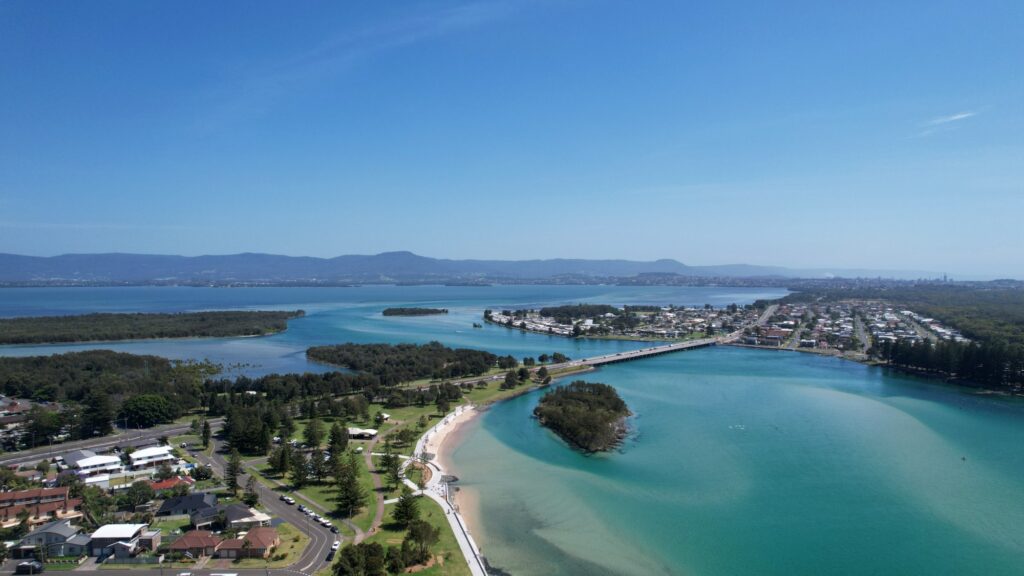
Wollongong to Shellharbour Ebike Ride Guide
A journey through the Illawarra’s changing coastline, connecting harbours, industrial heritage, ocean lookouts, beaches, Lake Illawarra, a historic seaside village and a modern marina.
View ride guide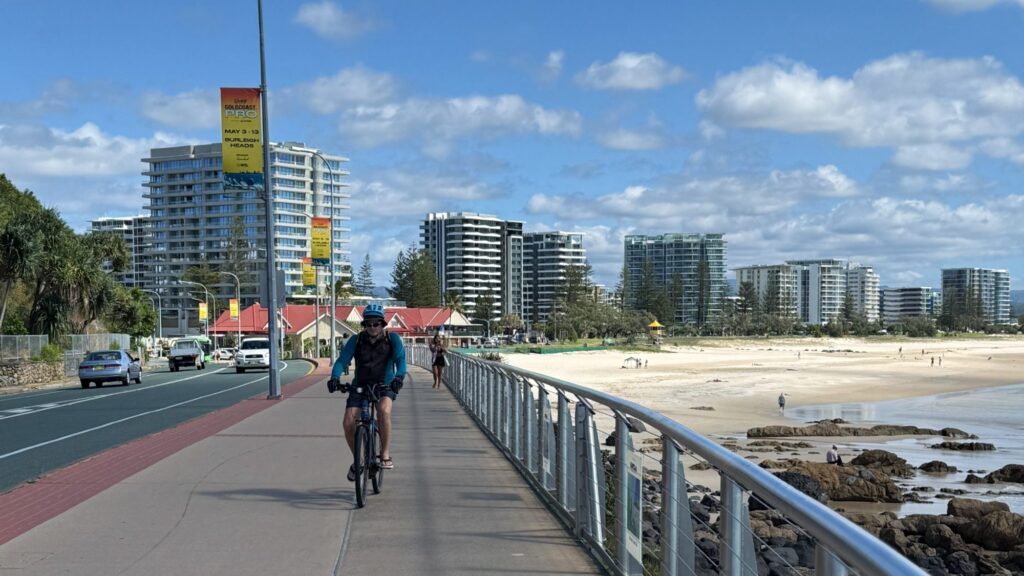
Tweed Heads to Currumbin Alley Ebike Ride Guide
Follow the coast from Tweed Heads to Currumbin Creek on an easygoing ride through beaches, surf breaks and shared coastal paths.
View ride guide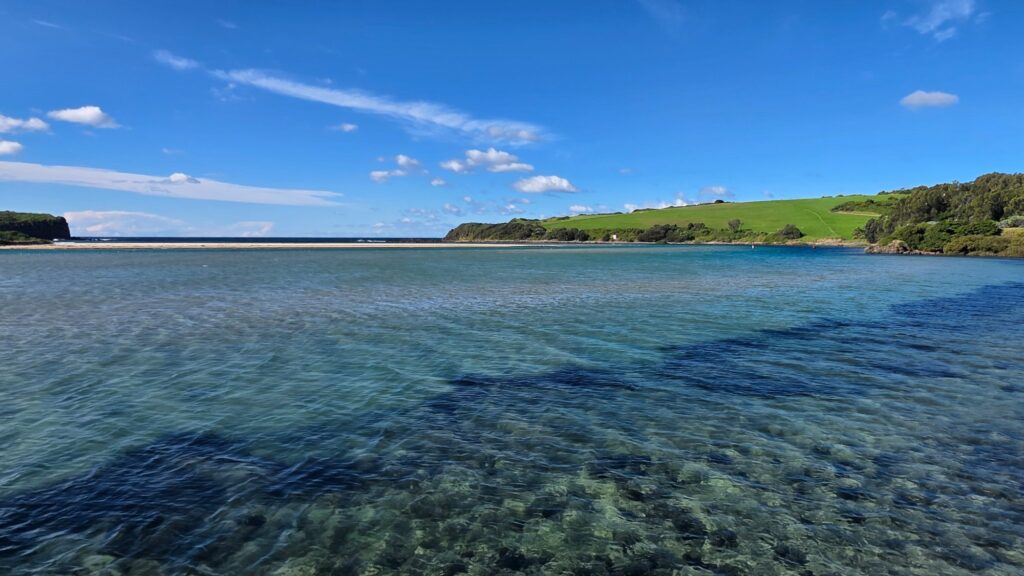
Kiama to Shellharbour Ebike Ride Guide
Ride one of the South Coast’s most scenic coastal routes, connecting Kiama Blowhole, the Minnamurra River, Shell Cove Marina and stunning ocean lookouts.
View ride guide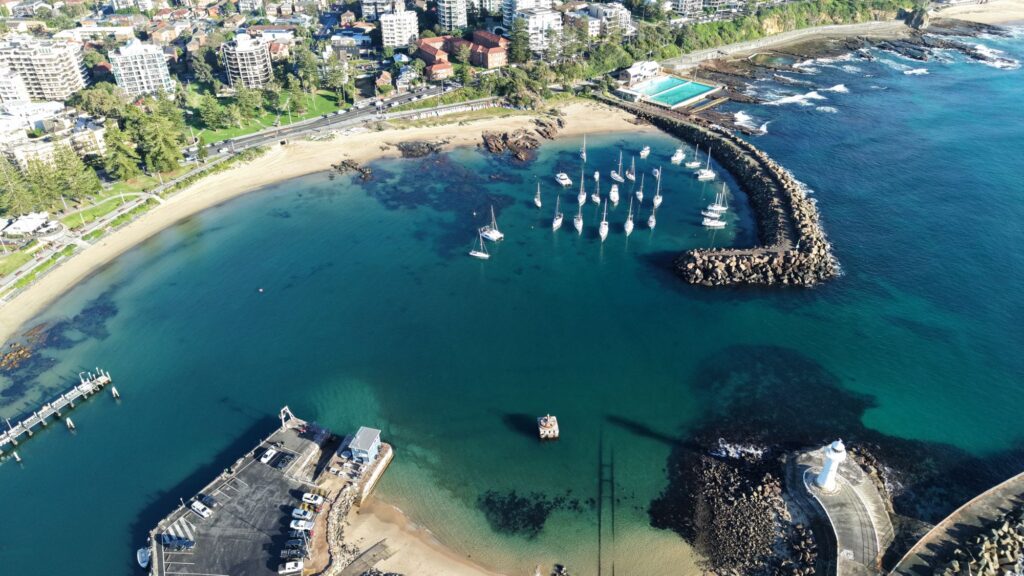
Wollongong to Thirroul Ebike Ride Guide
Explore one of Australia's most scenic coastal cycleways.
View ride guide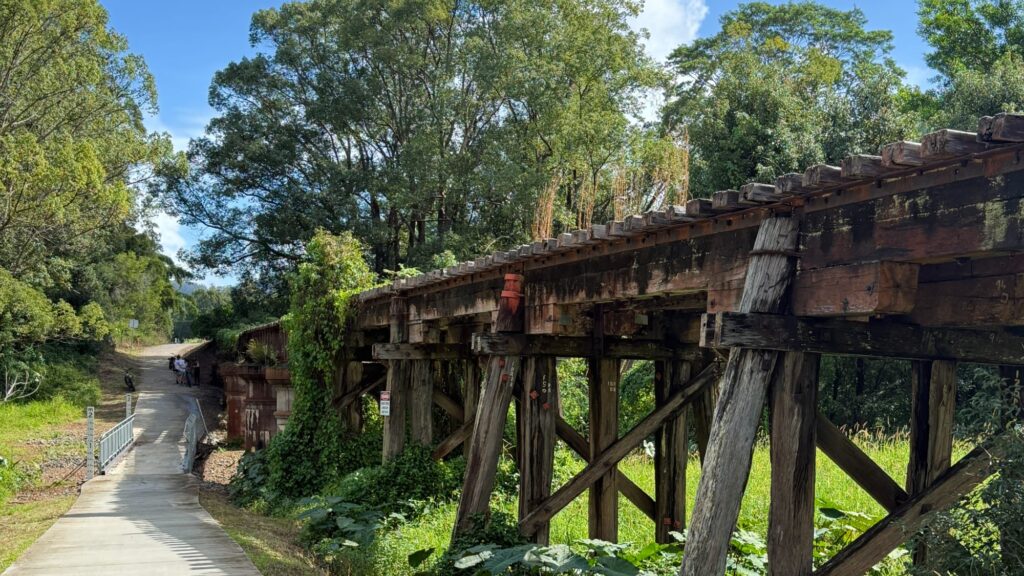
Murwillumbah to Crabbes Creek Ebike Ride Guide
Ride the Northern Rivers Rail Trail through subtropical forest, farmland and small country villages from Murwillumbah to Crabbes Creek.
View ride guideREADY TO RIDE?
Hire an ebike and start exploring.
Choose your destination, plan your ride and find the right ebike for your adventure.
Hire an Ebike